

In this article:
- Designing for Growing Communities
- Why Regulatory Standards Shape the Built Environment
- The Role of Continuing Education in Public Safety and Community Design
- How Local Regulations Differ Across Cities and Why Education Keeps Them Aligned
- The Long-Term Value of Staying Current in a Changing Built Environment
Designing for Growing Communities
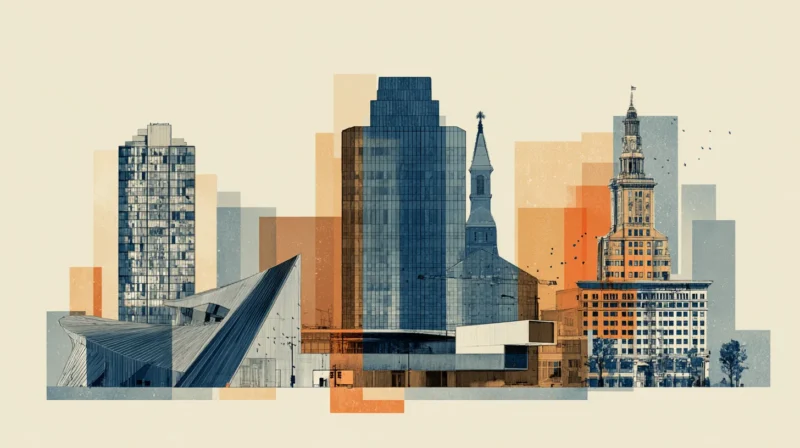
Across South Carolina, cities and towns continue to expand as new housing, mixed-use districts, and commercial corridors reshape local skylines. Coastal areas contend with humidity, high winds, and flood exposure. Inland communities often face fast suburban growth alongside road, utility, and drainage upgrades. In every setting, strong design helps neighborhoods feel usable, coherent, and built to last.
Still, a building’s long-term performance depends on more than concept and craft. Behind each finished project is a working structure of building codes, inspections, and enforcement practices. These systems guide decisions that affect fire protection, structural reliability, accessibility, and occupancy safety. Designers may lead with experience and aesthetics. Still, code requirements influence how space can be safely realized.
As communities change, regulations change with them. New materials, updated safety research, extreme weather, and higher-density development all push codes to evolve. That evolution only works when the professionals responsible for applying regulations stay current with what has changed and why it matters.
In South Carolina, where coastal resilience and inland development raise different compliance pressures, code enforcement officers and inspectors carry real responsibility. Their judgment shapes whether standards are applied consistently and whether growth stays aligned with safety.
Continuing education is a practical safeguard within that system. It helps inspectors keep pace with revisions, strengthen interpretation skills, and apply region-specific requirements with confidence.
Why Regulatory Standards Shape the Built Environment
Every built environment reflects a chain of regulated decisions. Structural loads, electrical safety, fire separation, energy performance, and accessible routes all stem from code language and technical standards. Those standards influence how architects detail drawings, how contractors execute work, and how municipalities evaluate compliance.
In South Carolina, statewide requirements set the baseline, while local jurisdictions may adopt amendments tied to conditions on the ground. Coastal communities often emphasize wind and flood considerations. Inland areas may prioritize stormwater management, soil conditions, and the pace of new residential construction. As risk profiles and building practices shift, codes are updated to reflect better research, improved materials, and lessons from real incidents.

Get 300+ Fonts for FREE
Enter your email to download our 100% free "Font Lover's Bundle". For commercial & personal use. No royalties. No fees. No attribution. 100% free to use anywhere.
To protect people in practice, enforcement professionals need current knowledge. Programs such as South Carolina code enforcement continuing education help keep inspectors aligned with evolving requirements through structured coursework and approved training hours.
Without ongoing education, interpretation can drift from one jurisdiction to another. Even a single revision that affects coastal construction details can create uneven enforcement if professionals are working from different assumptions. Continuing education supports consistent application by reinforcing what has changed and how it should be evaluated during inspections.
As building systems become more complex, regulatory expertise has to keep pace. Updates tied to electrical revisions, insulation performance, accessibility provisions, and emergency egress can affect day-to-day inspection outcomes. When education keeps pace with development, the built environment benefits from more consistent decisions and safer outcomes.
The Role of Continuing Education in Public Safety and Community Design
Continuing education requirements exist to protect the integrity of the built environment as standards evolve. In South Carolina, code enforcement officers and inspectors are expected to complete the required training hours to maintain their credentials. That structure helps ensure professionals remain informed about legislative updates, technical amendments, and procedural changes that affect how codes are applied in the field.
Public safety relies on accurate interpretation. Misreading a revised fire-resistance provision or an updated occupancy requirement can create serious downstream risk once a building is in use. Continuing education reduces that risk by sharpening technical understanding and supporting consistent enforcement habits.
Construction methods also change. Energy efficiency measures, alternative materials, and modern mechanical systems introduce new compliance questions. Training helps inspectors evaluate innovation against recognized building safety standards , keeping decisions grounded in current guidance rather than outdated practice.
Education also improves communication across the project ecosystem. Inspectors routinely coordinate with architects, engineers, contractors, and property owners. When enforcement professionals stay current, they can explain requirements clearly, resolve issues faster, and reduce avoidable delays tied to misunderstandings. That clarity supports smoother approvals and fewer surprises during construction.
Continuing education also reinforces professional accountability. Enforcement decisions affect approvals, renovation timelines, and long-term building performance. Structured learning helps keep judgment aligned with current expectations, which strengthens trust in the regulatory process as communities grow.
How Local Regulations Differ Across Cities and Why Education Keeps Them Aligned
Building regulations operate across multiple layers. Statewide codes provide a shared foundation, but cities and counties may adopt local amendments that reflect environmental conditions and development priorities. Coastal communities may apply stricter requirements tied to flood resilience and wind exposure. High-growth suburban areas may focus on drainage, site planning, and rapid permit volume.
These variations add complexity for enforcement professionals. Inspectors near the shoreline may encounter elevation rules and flood-resistant assemblies more often. Inland jurisdictions may see a higher frequency of new subdivisions, tenant improvements, or commercial remodels that require careful attention to occupancy classifications, means of egress, and structural changes. Even with the same baseline code, emphasis can differ based on local realities.
Continuing education helps keep the application consistent by reinforcing core principles and clarifying updates. When inspectors complete approved training hours, they strengthen their understanding of statewide revisions and how those revisions interact with local amendments. That consistency supports planning and execution across a wide range of design types that intersect with the built environment.
Regional comparisons also show why ongoing learning matters. Cities experiencing population surges must manage higher inspection demand without reducing rigor. Areas recovering from severe storms may adjust priorities toward hazard-resistant construction and long-term resilience. Continuing education equips professionals to adapt to those shifts by staying current with information and shared standards.
Consistency benefits everyone involved. Designers and builders gain predictability when code interpretation remains aligned between jurisdictions. Projects move forward with fewer midstream corrections, and stakeholders can plan more accurately around compliance requirements.
The Long-Term Value of Staying Current in a Changing Built Environment
Communities change continuously through population movement, climate pressures, materials innovation, and economic development. In a state where coastal resilience and inland expansion create different structural demands, regulatory knowledge must evolve alongside what is being built.
Continuing education provides a reliable way to keep that knowledge current. When enforcement professionals regularly update their understanding of code changes and inspection procedures, they strengthen the quality of compliance decisions across every project type. That consistency supports safer outcomes, steadier growth, and stronger public confidence.
It also supports professional credibility. Code enforcement officers and inspectors translate complex regulatory language into real-world approvals and corrections. Their accuracy influences construction quality, occupancy safety, and long-term building durability. Ongoing education helps ensure decisions reflect current requirements rather than older interpretations.
Over time, that commitment to staying informed contributes to safer neighborhoods and more resilient infrastructure. Code updates tied to hazard resistance, accessibility, and energy performance only achieve their purpose when the people enforcing them can apply them correctly. Continuing education keeps the invisible framework behind good design working as intended.
