

In this article:
- Texture Has Become Just as Important as Color
- Seasonal Color Palettes Are Becoming More Playful
- Everyday Tech Is Becoming Part of Personal Style
- Small Details Are Replacing Bold Statements
- Versatility Is Driving Better Design
- Timeless Design Continues to Outlast Trends
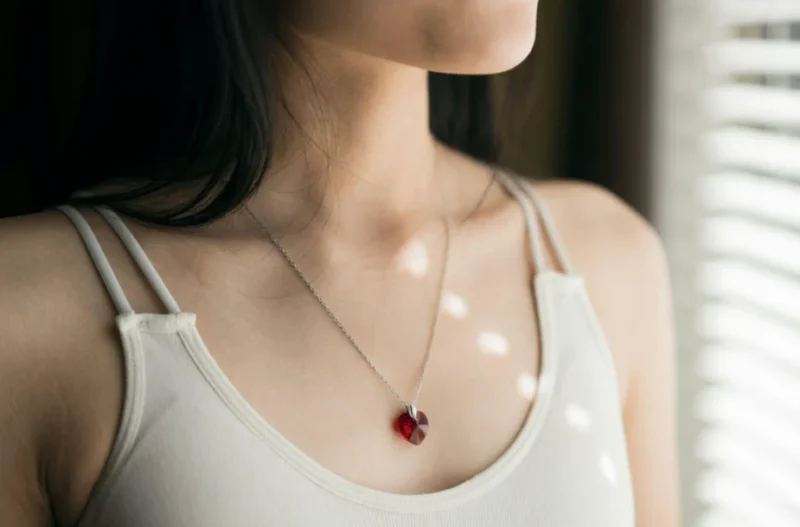
Photo by Pat Kwonon Unsplash
Every year brings a fresh wave of design trends, but the most influential ones rarely stay confined to a single industry. Instead, they quietly spread across fashion, technology, home décor, and personal accessories, creating a common visual language that connects products people use every day.
This year, designers are moving away from flashy novelty and toward pieces that feel more personal, tactile, and expressive. The same themes appearing in fine jewelry are also influencing phone accessories, handbags, eyewear, and even packaging. Rather than chasing dramatic reinvention, brands are refining familiar ideas through craftsmanship, texture, and thoughtful details.
The result is a season where style feels more connected than ever before.
Texture Has Become Just as Important as Color
Minimalism hasn’t disappeared, but it has evolved.
Instead of relying on perfectly smooth surfaces and flat finishes, designers are introducing depth through texture. Hammered metals, brushed finishes, woven materials, embossed patterns, soft-touch coatings, and organic shapes are appearing across multiple product categories.
Jewelry has embraced this movement by emphasizing handcrafted finishes that feel unique rather than perfectly identical. Pieces that reveal subtle imperfections often communicate authenticity more effectively than highly polished designs.

Get 300+ Fonts for FREE
Enter your email to download our 100% free "Font Lover's Bundle". For commercial & personal use. No royalties. No fees. No attribution. 100% free to use anywhere.
Collections featuring 24k gold earrings illustrate how traditional materials can feel contemporary when paired with sculptural forms, clean lines, and understated elegance. Rather than overwhelming an outfit, thoughtfully designed pieces allow texture and craftsmanship to become the defining characteristics.
This preference for tactile design reflects a broader desire for products that feel personal rather than mass-produced.
Seasonal Color Palettes Are Becoming More Playful
For several years, neutral tones dominated accessories across nearly every category. While timeless shades continue to have their place, seasonal collections are introducing more personality through carefully selected colors.
Soft pastels, ocean-inspired blues, warm citrus tones, botanical greens, and earthy terracottas have become increasingly common. Instead of overwhelming designs with bright color, brands are using these shades as accents that add freshness without sacrificing versatility. Ocean-inspired details, colorful beads, and natural textures have become especially noticeable across summer accessories.
This balanced approach allows products to feel current while remaining wearable beyond a single season.
Everyday Tech Is Becoming Part of Personal Style
Photo by Uros Petrovicon Unsplash
Smartphones accompany people almost everywhere, making phone cases one of the most visible accessories anyone owns. As a result, they are increasingly designed with the same attention traditionally reserved for fashion accessories.
Rather than treating phone protection as purely functional, consumers are looking for cases that complement clothing, handbags, jewelry, and seasonal wardrobes. Designers have responded with collections featuring refined color palettes, artistic illustrations, textured finishes, and nature-inspired patterns.
Someone updating their accessories for warmer months may naturally include cute phone cases for the summer alongside seasonal wardrobe changes, choosing designs that reflect the same colors, materials, and overall aesthetic found in their clothing and accessories.
The growing connection between technology and fashion means personal devices are no longer separate from individual style, they’ve become part of it.
Small Details Are Replacing Bold Statements
Another noticeable shift is the move away from oversized logos and highly recognizable branding.
Instead, designers are emphasizing subtle craftsmanship through interesting clasps, unique stone settings, refined stitching, elegant hardware, and carefully considered proportions. These details reward closer attention instead of demanding it immediately.
This philosophy appears equally in jewelry, leather accessories, and technology products, where understated quality increasingly communicates confidence more effectively than highly visible branding.
Consumers are becoming more interested in products that feel distinctive because of thoughtful design rather than obvious logos.
Versatility Is Driving Better Design
People increasingly expect accessories to work across different situations.
Jewelry should transition from professional meetings to evening dinners. Phone cases should complement both casual weekends and business environments. Bags should function equally well while traveling or commuting.
This emphasis on versatility encourages cleaner silhouettes, balanced proportions, and durable materials capable of adapting to everyday life.
Rather than purchasing different accessories for every occasion, many consumers now invest in fewer, better-designed products that remain appropriate throughout changing routines.
That shift encourages longer-lasting design choices rather than short-lived trends.
Timeless Design Continues to Outlast Trends
Although seasonal influences always shape new collections, the strongest designs rarely depend on following every trend at once.
Products that combine quality materials, thoughtful craftsmanship, practical functionality, and understated elegance tend to remain relevant long after seasonal color palettes and runway influences begin to change.
Whether selecting fine jewelry, everyday technology accessories, or wardrobe essentials, consumers increasingly value pieces that fit naturally into their lifestyles instead of demanding constant replacement.
This year’s design direction reflects that mindset perfectly. Instead of encouraging people to reinvent everything they own, it invites them to choose products that feel personal, adaptable, and beautifully made, qualities that remain stylish regardless of what next year’s trends may bring.