

In this article:
- What Is “Cutification” and Why Is It Becoming Popular?
- The Economics of Cute
- From K-Pop to Anime: Cultural Forces Behind the Aesthetic
- Cute Goes Global
- Does Emotional Marketing Come With Risks?
- A Passing Phase or a Structural Change
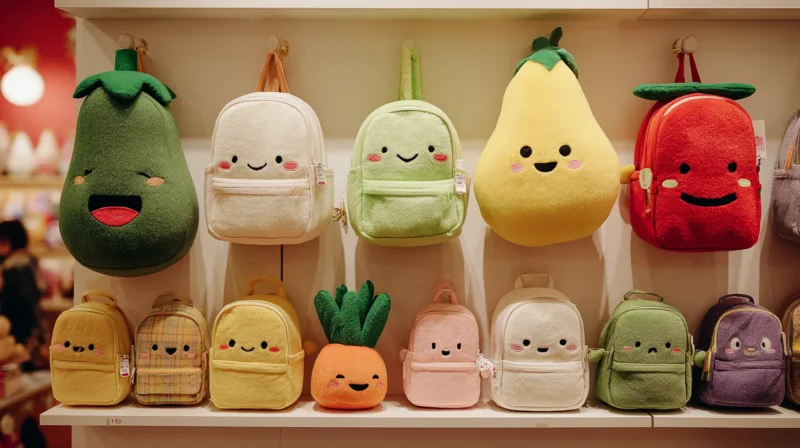
In recent months, a definite trend has been noticed. It’s called “cutification” and refers to businesses using cute aesthetics as a serious commercial strategy. You don’t have to look too far to see plush charms dangling from luxury and designer handbags. Or animated mascots plucked onto the front of large global campaigns. These could have been seen as gimmicks or playful touches in the past, but nowadays, they’re operating at scale across multiple markets, including fashion, entertainment, beauty, and even food.
The 2026 Dentsu Creative Trends Report shows that 63% of respondents say cute products and packaging bring them joy . Gen Z and millennials were the biggest supporters of this. This move towards the cute side of things is not just a random design choice. It’s a sign that brands are changing how they respond to economic uncertainty, emotional fatigue, and consumers who are looking for small but effective sources of comfort.
What Is “Cutification” and Why Is It Becoming Popular?
“Cutification” is when a marketing team makes strategic use of:
- Soft visuals
- Rounded forms
- Nostalgic characters
It borrows from childhood iconography but is increasingly aimed at adults, as nostalgia can trigger an emotional response. The understanding is that in a time where economic pressure and digital fatigue are leading to a kind of burnout, gentle, familiar designs can offer a sense of comfort.
The Economics of Cute
Cute aesthetics are proving profitable for brands in many sectors. Some examples that illustrate this include:
- Pop Mart’svaluation surge highlighted how character-driven collectibles can outperform traditional toy giants, fueled largely by adult buyers.
- Jellycat’s revenue growth showed that plush toys are no longer limited to children, with adults purchasing them as lifestyle accessories and décor.
- Rising adult toy sales in the United States reflect growing demand for nostalgic and comfort-based products.
- The blind box phenomenon encourages repeat purchases by combining scarcity with uncertainty, appealing to completion-driven and reward-seeking behavior.
Adult consumers are said to get an emotional boost from purchasing cute branded products. And things like limited editions, the resale value, and social media opportunities often turn these cute objects into status symbols.
From K-Pop to Anime: Cultural Forces Behind the Aesthetic
Entertainment has played a big role in how cute aesthetics for adult audiences have been normalized. In 2025, more than half of Netflix’s global subscribers watched anime . This tendency only highlights that animation is no longer niche and is becoming mainstream across different age groups.

Get 300+ Fonts for FREE
Enter your email to download our 100% free "Font Lover's Bundle". For commercial & personal use. No royalties. No fees. No attribution. 100% free to use anywhere.
Shows like KPop Demon Huntersdrew hundreds of millions of views when released, and even topped music charts, showing how cute characters fit in with global pop culture. Of course, it’s not just about cute, stylized aesthetics. KPop Demon Huntershas the cute visuals, yes, but they blend it with polished performances.
This cross-cultural exchange accelerates the spread of visual trends. Characters designed in Seoul or Tokyo can influence fashion, accessories, and packaging in New York or London within weeks, compressing the lifecycle of aesthetic movements.
Cute Goes Global
“Cutification” spreads at the speed of a snapshot. Picture a traveler in Tokyo attending a sold-out concert where oversized anime mascots bounce across giant LED screens. Between songs, they snap a photo of the characters, upload it to their social feed, and within hours, it is circulating far beyond the venue. A moment that began in one city becomes global content before the encore ends.
That ripple effect depends on constant connection. Travelers crossing borders often use an international eSIM to stay online without swapping physical SIM cards or hunting for local data plans. That seamless access allows fans to stream, post, comment, and participate in real time, turning local cultural moments into international marketing waves.
In this environment, cute aesthetics do not stay contained within one country or campaign cycle. It travels with the audience, amplified by instant sharing and cross-border fandom. Connectivity does not create the trend, but it accelerates how quickly it moves and how widely it resonates.
Does Emotional Marketing Come With Risks?
When emotional appeal becomes the main selling point, spending behavior can intensify. Blind box toys, where buyers do not know which version they will receive, rely on uncertainty and scarcity. For some adults, this can encourage repeated purchases in pursuit of a complete set, edging into compulsive patterns.
There are other consequences as well. In Japan, authorities intervened after a fast food promotion tied to collectible Pokémon items led to customers buying meals for the prizes and discarding the food. Such episodes highlight the risk of waste and overconsumption when demand centers on limited-edition collectibles rather than the product itself.
Cute branding can also create emotional dependency. Consumers become psychologically invested when they get comfort from buying the next character or release. As the trend grows, brands face increasing scrutiny over how responsibly they deploy emotional design.
A Passing Phase or a Structural Change
Economic pressure may fuel the demand for brands to offer comforting, cute visuals, but saturation poses a risk. If every campaign leans into softness and mascots, the novelty that made “cutification” powerful could weaken.
Luxury’s continued adoption of cute aesthetics will be a key indicator. If high-end brands keep integrating playful elements into serious design, the trend may signal a deeper structural adjustment in how emotion and commerce intersect rather than a short-lived phase.