

In this article:
- Why Packaging Design Affects Perception
- Common Packaging Problems That Weaken Brand Presentation
- How Structure Supports Better Product Presentation
- What Brands Should Evaluate Before Finalising Packaging
- How Better Packaging Design Improves Customer Experience
- Practical Tips for Stronger Packaging Design Decisions
- Final Thoughts
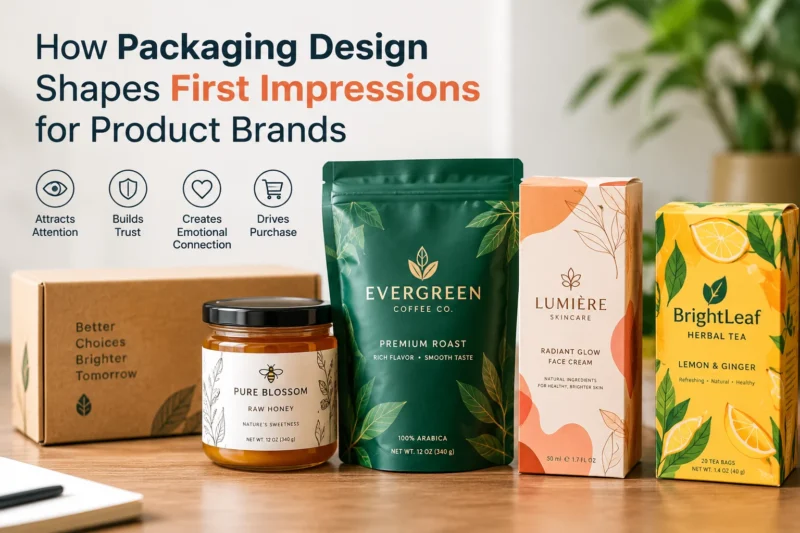
First impressions often form before a customer ever uses a product. In many cases, packaging is the first physical point of contact between a brand and its audience. The way a product is presented, protected, and opened can influence perceived quality, trust, and value within seconds.
For designers and brand teams, packaging is not just a container. It is part of the brand experience. When packaging design is weak, even a strong product can feel ordinary. When it is thoughtfully designed, packaging can reinforce brand identity, improve usability, and support a cleaner customer experience.
Why Packaging Design Affects Perception
Packaging communicates long before marketing copy or product features are fully understood. A clean structure, balanced layout, and practical form can signal quality. Poor fit, weak materials, or cluttered design can do the opposite.
There are two layers to packaging design:
- Visual design, including colour, typography, and branding
- Structural design, including shape, strength, and usability
Both matter. A visually strong package that fails in protection or handling can still damage brand perception. Likewise, a strong structure with weak visual identity may protect the product but fail to communicate brand value.
This is why packaging decisions should be treated as design decisions, not only production choices.
Common Packaging Problems That Weaken Brand Presentation
Many brands face similar packaging issues, especially when design and structure are treated separately. Some of the most common problems include:

Get 300+ Fonts for FREE
Enter your email to download our 100% free "Font Lover's Bundle". For commercial & personal use. No royalties. No fees. No attribution. 100% free to use anywhere.
- Weak packaging that damages products during storage or shipping
- Poor sizing that leaves products loose or overpacked
- Generic packaging with little brand identity
- Overly complex packaging that frustrates customers during unboxing
- Inconsistent packaging formats across product lines
These problems affect more than logistics. They influence how customers interpret the brand itself. Packaging that feels careless can reduce confidence, while packaging that feels intentional can strengthen trust.
How Structure Supports Better Product Presentation
Strong packaging design balances form and function. Structure plays a major role in how a product is presented and handled.
Many brands use outer packaging for shipping and storage, then rely on supporting formats to improve the final presentation .For example, cardboard packaging sleeves can create a cleaner finish around a product, add useful branding space, and improve visual consistency without making the packaging overly complicated.
When structure and design work together, packaging feels intentional rather than improvised. The result is better product protection and a more polished presentation at the point of contact.
What Brands Should Evaluate Before Finalising Packaging
Before choosing a packaging format, brands and designers should evaluate several practical factors. A clear framework can help avoid design decisions that look good in concept but fail in real use.
| Factor | Why It Matters | Design Consideration |
|---|---|---|
| Strength | Protects products and brand reputation | Material quality and board structure |
| Fit | Improves presentation and reduces movement | Accurate sizing around the product |
| Branding space | Supports visual identity | Print area and layout balance |
| Ease of use | Improves customer experience | Simple opening and handling |
| Consistency | Builds recognition | Uniform packaging across products |
This type of evaluation helps teams move beyond surface-level design and focus on packaging that performs well in both presentation and practical use.
How Better Packaging Design Improves Customer Experience
When packaging is designed well, the benefits extend beyond the shelf or delivery box.
Customers are more likely to notice cleaner unboxing experiences, products that arrive in better condition, clearer brand presentation, and packaging that feels easier to handle and store. These details influence how people remember a brand. Even small improvements in structure and presentation can reduce frustration and increase perceived quality.
For design-focused brands, packaging also becomes an extension of visual identity. Consistent structure, thoughtful materials, and clear branding help create a more cohesive experience across products. This is especially important in categories such as beauty and skincare, where custom cosmetics packaging can support both product protection and a more refined presentation.
Practical Tips for Stronger Packaging Design Decisions
To create packaging that supports brand goals, teams should start with the product itself. Protection, size, and handling needs usually matter more than visual preference alone. A design may look strong on screen, but it still has to perform during packing, shipping, and everyday use.
Branding should stay clear and consistent. Too many design elements can weaken communication instead of improving it. Testing packaging in real conditions also helps, because mockups do not always show how a box behaves when filled, stacked, or transported.
Different products also need different packaging approaches. Bakery and sweet brands, for example, often need packaging that protects delicate items while still presenting them well. Formats such as custom crumble cookie packaging boxes are a good example of packaging designed to support both product care and clean brand presentation in the sweets and bakery category.
Final Thoughts
Packaging design plays a direct role in how product brands are perceived. It shapes first impressions, supports product protection, and influences the overall customer experience.
When structure and design are aligned, packaging becomes more than a container. It becomes a practical tool for presentation, trust, and brand clarity. Brands that treat packaging as part of the design process are more likely to create experiences that feel intentional, professional, and consistent from the first interaction onward.
Thoughtful packaging choices from suppliers such as Tycoon Packaging can help brands improve both presentation and performance without unnecessary complexity.
