

In this article:
- The Value of Designing With Certain Generations in Mind
- Breaking Down Graphic Design Trends by Generation
- The Psychology Behind Generational Style Preferences
- Examples of Styles That Resonate With Each Generation
- Common Mistakes to Avoid When Curating Visual Styles
- Creating Designs That Resonate With Target Audiences
Marketing doesn’t just “work.” There is a reason for every click, view and purchasing decision. If professionals can tap in to the “why” behind these choices, they can better target each generation.
The Value of Designing With Certain Generations in Mind
Visual styles are a distinctive way to present imagery, encompassing color, composition and typography. Since these elements contribute to a brand’s aesthetic, they can help establish emotional connections or increase the perceived value of products.
The visual styles a company uses for marketing may differ from those it uses for branding. This allows it to target specific demographics, including those that span generational divides. When designing with multiple generations in mind, capturing the right visuals is vital.
Graphic designers must go beyond best practices. What makes a project “good” from a visual perspective is different from what makes it resonate with certain audiences. Once they identify the trends and psychological drivers behind these preferences, they can create graphics that better engage audiences.
This approach is essential for generational marketing, as tailoring efforts to specific age groups’ values and characteristics can be complex. Although individuals differ vastly, they are all connected by their shared experiences. Zeroing in on this distinction can help professionals increase advertising effectiveness and unlock new market opportunities
Breaking Down Graphic Design Trends by Generation
Generational marketing works because certain design trends tend to appeal to specific generations.
Baby Boomers

Boomers tend to prefer tradition and reliability in graphic design. Since they grew up with print media instead of digital media, visual styles should reflect real-life experiences rather than stylized, abstract imagery.

Get 300+ Fonts for FREE
Enter your email to download our 100% free "Font Lover's Bundle". For commercial & personal use. No royalties. No fees. No attribution. 100% free to use anywhere.
It may be tempting to rely on retro visuals that evoke the 1960s and 70s, but classic, timeless styles may appeal more to Boomers. They grew up in a post-war era, surrounded by the bold colors, metallics and hard plastics of space-age futurism. In their golden years, many gravitated back to earthier, natural palettes that reflect their desire for quality and longevity.
Generation X
Gen X grew up with MTV, alternative rock and a thriving pop culture scene, so they value visual styles that resonate with their independent spirits. Movies and music from the 80s and 90s are a strong source of nostalgia for this generation.
In response to the previous generation’s consumerist tendencies, some have embraced a more minimalist, natural aesthetic. They have been exposed to immeasurable advertising techniques over the years, so they are less likely to respond to artificial or overly polished designs. In fact, around 85% of Gen X agree that authenticity is vital when deciding which businesses to support.
Millennials

Millennials are among the largest generations, representing about 25% of the population in the United States and a distinct shift towards technological savviness. They came of age during the birth of the internet, when technology was colorful, weird and new. While many have come to appreciate the opposite aesthetic in adulthood, they still have a soft spot for the trends of their youth.
Evoking 90s nostalgia can be effective. Conversely, many value clean, minimalist designs with soft, muted color palettes and sans-serif fonts. Highly curated, Instagram-worthy visuals are a generational staple, but many are also drawn to brands that feel relatable and genuine.
Generation Z
The world’s first digital natives grew up with technology in their schools and homes, exposing them to constant streams of information and advertisements. In contrast to Millennial minimalism, they took a more-is-more approach with “curated chaos.” To them, intentional messiness is real and relatable.
In response to pervasive advertising and an excess of influencers, Gen Z has embraced unfiltered authenticity. They have a strong radar for anything that feels fake or overly polished. Like previous generations, they’re nostalgic for simpler times — namely, Y2K and retro futurism. Research shows 50% of Gen Z feel nostalgic about media from their past.
Generation Alpha
While most members of Gen Alpha are still in elementary school, the oldest are in high school. They grew up during the digital age, when everyone had phones and everything was online. Social media is at the center of many social circles. As a result, this generation turns lifestyles into short-lived subcultures they call “aesthetics.”
They define themselves by their personal brands, which are often playful and experimental. While following rapidly evolving fads can be challenging, this willingness to move on from trends can be beneficial. If designers can capture this generation’s attention, they can set trends.
The Psychology Behind Generational Style Preferences
Baby boomers grew up in a post-war era of economic growth and social change, which developed a deep-rooted respect for quality, authenticity, tradition and trust. They have a fondness for their youth like the other generations. As the oldest living generation, they tend to want to be seen as authorities or decision-makers.
Their children — Gen X — were “latchkey kids” known for their independence. They tend to value individuality. Even if their version of “cool” is outdated by younger generations’ standards, they are unbothered. Their visual preferences reflect their rejection of the overly polished and commercialized culture of their youth.
Millennials came of age during the rise of modern technology, so they want to project a particular image online. Their penchant for minimalism — including the infamous “Millennial Gray” — may be shaped by the economic and social challenges of their youth. Some believe it represents Millennials’ longing for stability and resilience. They may prefer pragmatic approaches to design because they have led turbulent lives.
Many of Gen Z’s preferences are a reaction to the curated perfection of the Millennial aesthetic. They value self-expression, humor and individuality. However, the Y2K revival may be their form of escapism to a simpler, more optimistic time.
Some members of Gen Alpha are curating polished personal brands in hopes of becoming influencers, while others reject social norms and embrace alternative aesthetics. Either way, they want to cut through the noise to feel heard and connect to something real. For them, personalization is essential.
Examples of Styles That Resonate With Each Generation
Certain styles resonate with specific generations. While there are exceptions to the rule, this knowledge gives graphic designers an excellent starting point.
No-Nonsense Classics
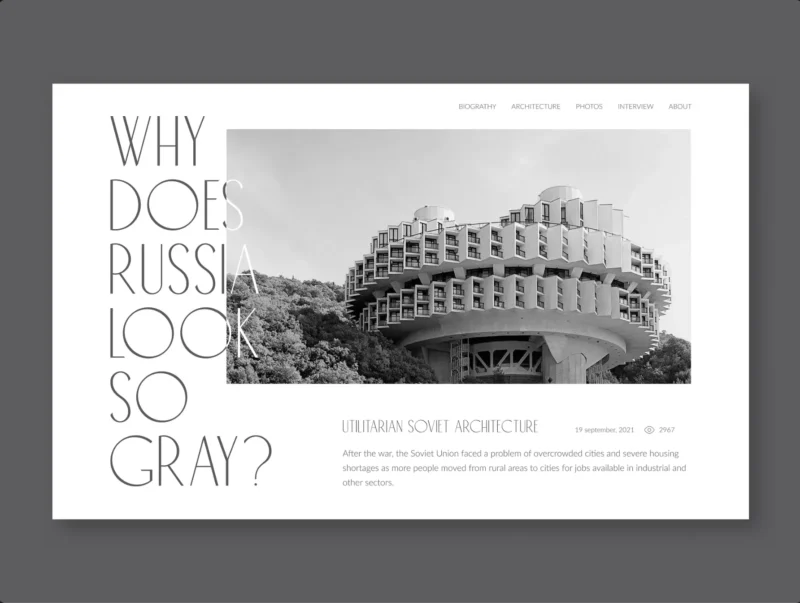
Source: Utilitarian. https://dribbble.com/shots/16479011-Utilitarian-Soviet-Architecture
Utilitarian branding appeals to Boomers because it is straightforward, simple and easy to read. It communicates tradition and authority. Neoclassical designs that revive Greco-Roman styles are more stylized but timeless and elegant. They rely on balanced compositions and antique architectural motifs such as statuesque figures.Aesthetically, shabby chic is the complete opposite of either of those visual styles. However, it appeals to older generations because it offers a vintage charm reminiscent of a simpler time. It blends farmhouse and romantic elements for a comfortable, lived-in elegance, using soft pastels and distressed elements to create a rustic yet sophisticated look.
Form Meets Function
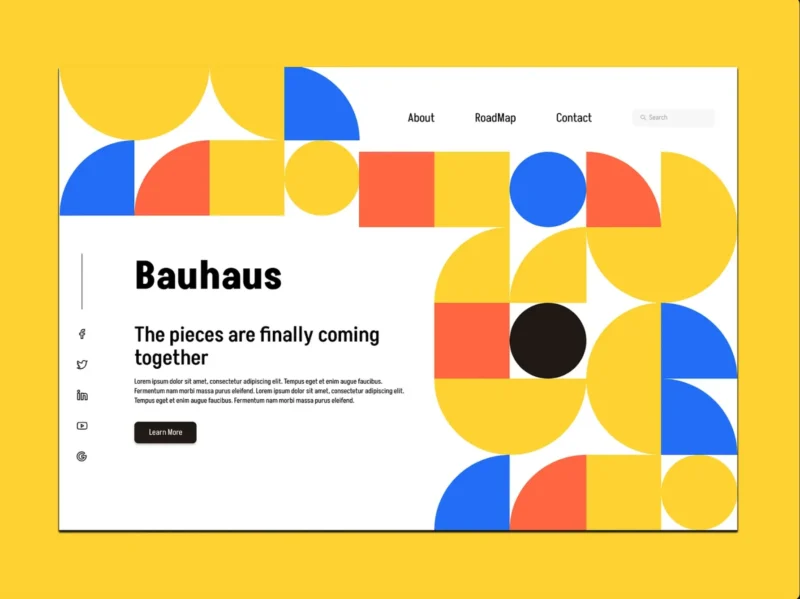
Source: Bauhaus. https://dribbble.com/shots/18207205-Bauhaus-Web-design
Generally, younger generations prefer minimalist marketing because of its simplicity. This is why visual styles like Bauhaus and midcentury modern work — they lean into functional, geometric simplicity.
Bauhaus picked up speed in the 1920s after becoming famous through a German art school. The 40s and 60s inspire the midcentury modern aesthetic. While separated by decades, both use primary colors, organic shapes, clean lines and sans-serif fonts.
Nostalgic Modernism

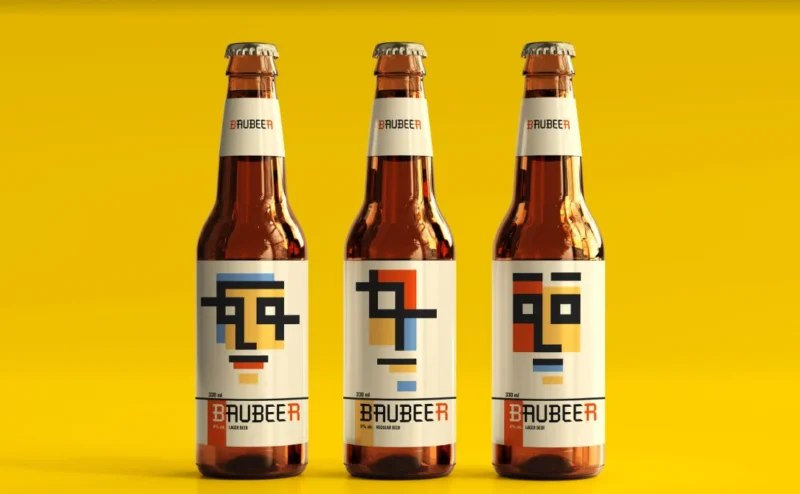
Source: Pixel art. https://www.the-pixel-artist.com/projects/taco-bell-arcade-game-featuring-pixel-art-by-illustrator-jude-buffum
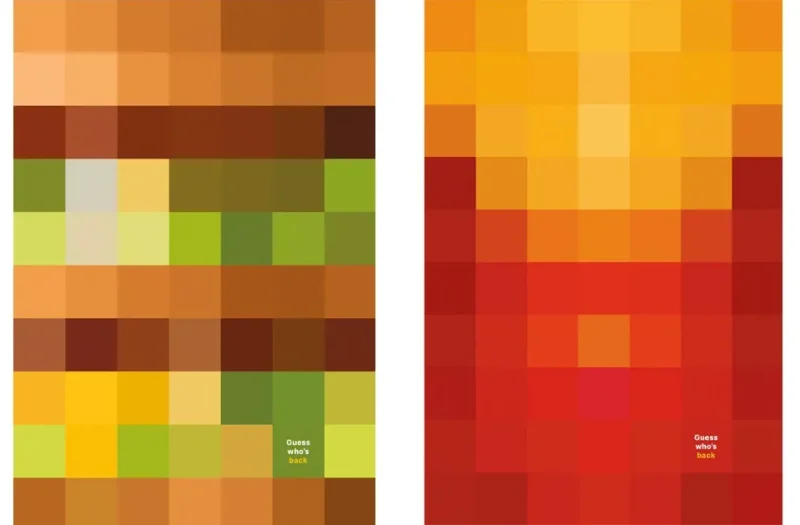
Source: Pixel art alternative. (McDonald’s) https://static-www.adweek.com/wp-content/uploads/2021/07/Untitled-4.jpg
Japandi — a portmanteau of Japan and Scandinavian — is an up-and-coming visual style that appeals to Millennials. It infuses both cultures’ aesthetics for a simple, nature-inspired look. It uses sans-serif fonts, soft curves and intentional, natural patterns to emphasize cleanliness and craftsmanship.
Pixel art and graffiti design both harken back to life in the 90s, creating a retro, playful feel. They are highly stylized, so they may not work for all brands, but if graphic designers get creative, they can make effective ads. McDonald’s once pixelated a burger and fries to capitalize cleverly on its brand’s renown.
Simple Yet Bold
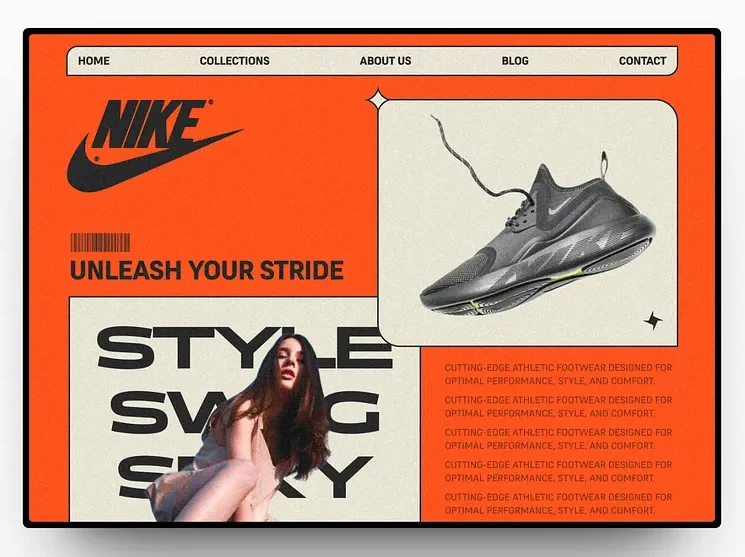
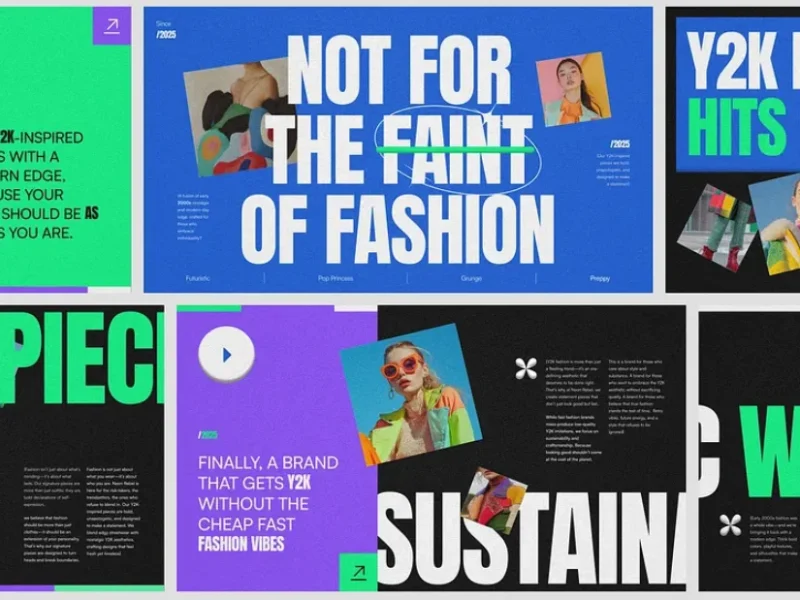
Source: Y2K inspired. https://dribbble.com/shots/23583586-Nike-Concept-Y2K-Website
To Gen Z, older trends are back in fashion. Y2K is making a comeback because it feels nostalgic yet not overly filtered or polished. Art Deco is also trending. The stylized, geometric forms include zigzags, sunbursts and pillars inspired by the 1920s. Both offer a unique sense of optimism seen at major turning points in history.
All About Aesthetics
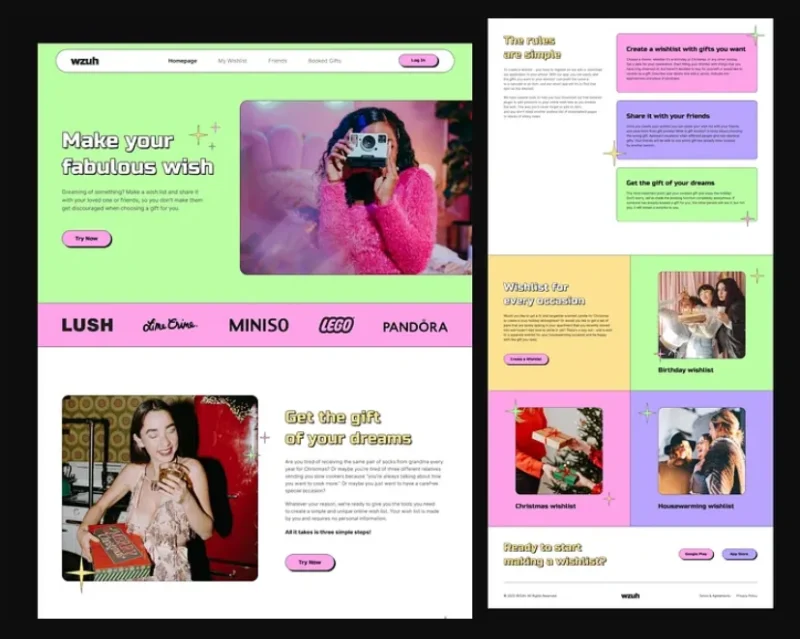
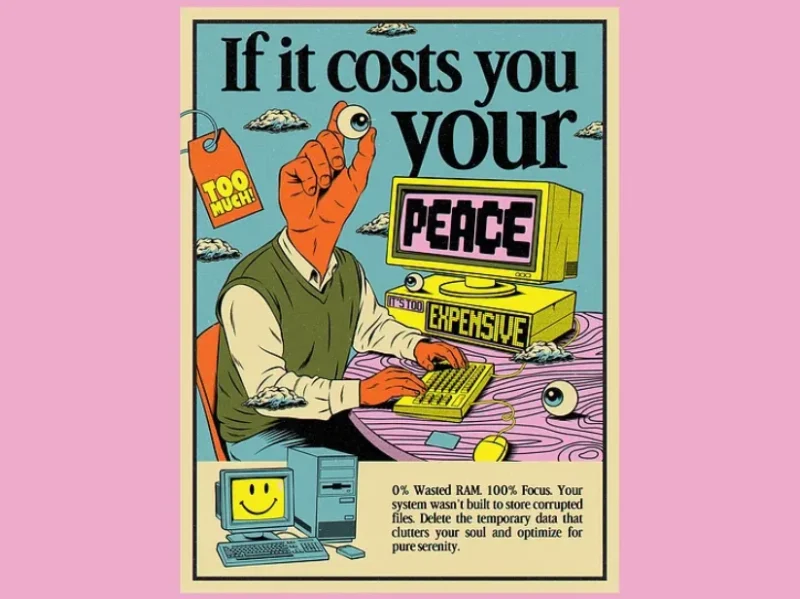
Source: Neo-brutalism. https://dribbble.com/shots/20406159-wzuh-wishlist-maker-site
Gen Alpha is leaning into neo-brutalism and mixed media, which are revisions of earlier visual styles that have been refined to meet modern user interface practices. They are bold, yet functional. Their core elements include large typefaces, sans-serif fonts, minimal UI components and purposeful asymmetry.
Common Mistakes to Avoid When Curating Visual Styles
Graphic designers shouldn’t make the mistake of assuming every member of a generation is the same. It sounds simple enough, but it’s easier said than done. Even I have painted with too broad a brush, so to speak.
In a 2024 YouGov survey, roughly half of the respondents in each generation said they don’t see their lifestyles enough in advertising. Although they shared cultural references, experienced the same world events and had similar upbringings, their preferences and beliefs differ vastly.
It would be easy to be overly generic, but something made for everyone appeals to no one. The opposite is often better — personalization can increase revenue by 5% to 15%, resulting in a 10% to 30% return on investment.
I would recommend creating several designs to test out on focus groups. This approach makes it easier to determine the effectiveness of various layout, color and typography choices. Even then, professionals shouldn’t rely solely on aesthetics and forget about practicality.
Say I’m designing something for Gen X — independent spirits who enjoy classic rock and pop culture references. Would I really want to incorporate these elements into an advertisement for a banking app or cancer treatment center? Rather than go all out, I would incorporate subtle hints of the visual styles they prefer with strategic pattern, color and font choices.
Creating Designs That Resonate With Target Audiences
I’ll be the first to admit that it isn’t easy trying to create something that appeals to an entire generation. However, understanding each generation’s shared experiences and contextualizing historical events helps put things into perspective.