
Not every workspace understands what creative work actually needs. A lot of coworking chains are built for sales teams and consultants, with rows of identical desks and meeting rooms named after generic buzzwords. If you’re a designer, illustrator, art director, or anyone whose best ideas show up when the environment actually inspires you, the space you work from matters more than most people admit.
We’ve pulled together six coworking spaces around the world that get this right, from converted hospitals to biophilic hideaways. Whether you’re scouting a permanent desk or just want a prestige address for client-facing work, here’s where creatives are actually choosing to set up shop.
1. The Work Project, Singapore
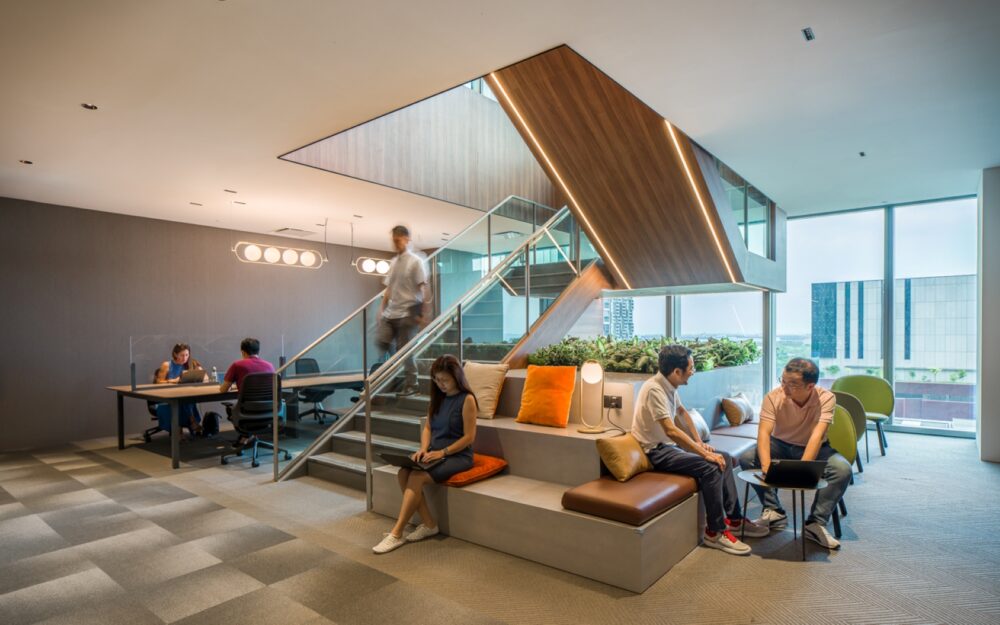
The Work Project was founded by hoteliers, and it shows. Every one of its Singapore locations, from Six Battery Road in the financial district to its Asia Square site, is built around the kind of hospitality-grade service and design detail you’d expect from a boutique hotel rather than a typical coworking chain. That’s a big part of why it’s become the largest premium serviced office operator in Singapore, with sites that regularly draw design studios, agencies, and independent creatives who want their workspace to say something about how they work.
If you’re a freelancer or a small creative team that doesn’t need a full-time desk but still wants a virtual office address in Singapore for client correspondence and business registration, The Work Project offers that too, with same-day setup and access to meeting rooms and event spaces when you do need to show up in person. It’s a smart middle ground for creatives building a presence in Singapore’s CBD without committing to a lease.
2. Second Home, London and Lisbon
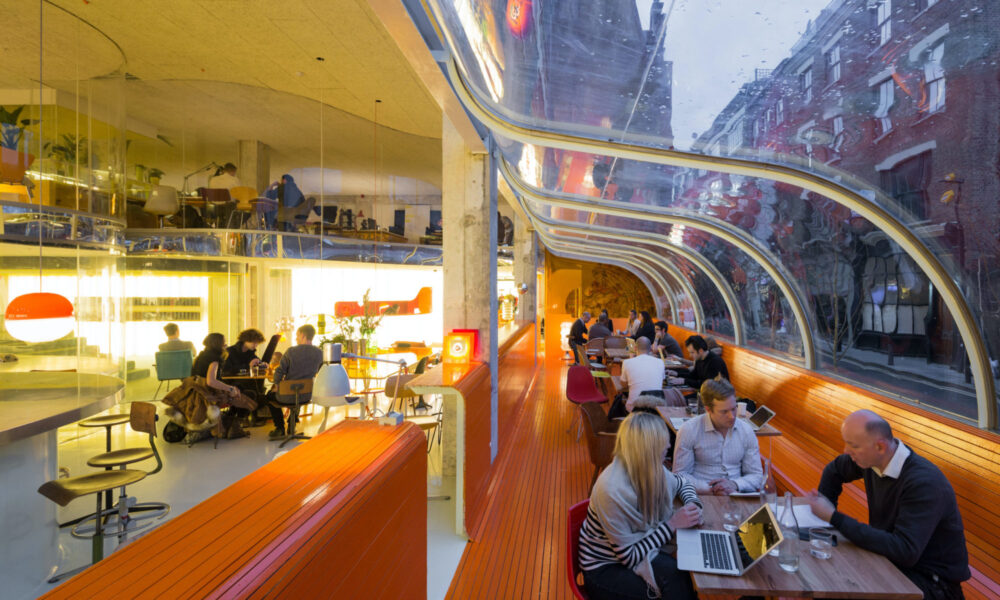
Second Home’s Spitalfields location was designed by SelgasCano using more than 500 plant species and floor to ceiling curved glass, and it genuinely changes how the space feels to work in. This is a coworking space built around the idea that creativity needs light, greenery, and a bit of calm, not fluorescent bulbs and grey carpet tiles. The B Corp certified operator runs additional sites in Holland Park and Lisbon, and each one leans into the same biophilic approach. It’s a favourite among writers, founders, and design teams who want their workspace to double as a source of inspiration rather than just a place to sit.

Get 300+ Fonts for FREE
Enter your email to download our 100% free "Font Lover's Bundle". For commercial & personal use. No royalties. No fees. No attribution. 100% free to use anywhere.
3. Fosbury & Sons, Brussels and Amsterdam
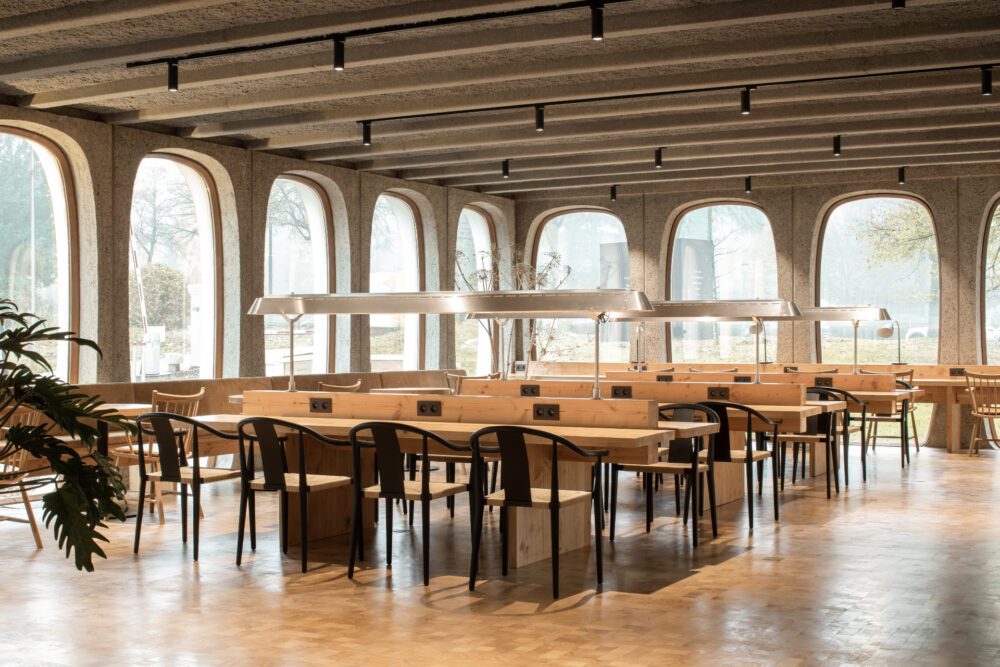
Fosbury & Sons has built its reputation on taking over architecturally significant buildings and turning them into something closer to a members’ club than an office. Its Amsterdam site occupies a former 19th century hospital on the Prinsengracht canal, restored by MVSA Architects and Going East, with art curated in partnership with local galleries. The Brussels locations are similarly bold, including a Brutalist former cement company headquarters known for its curved concrete facade. For creatives who care about the buildings they work in as much as the desks they sit at, this is one of the more distinctive options in Europe.
4. The Farm SoHo, New York
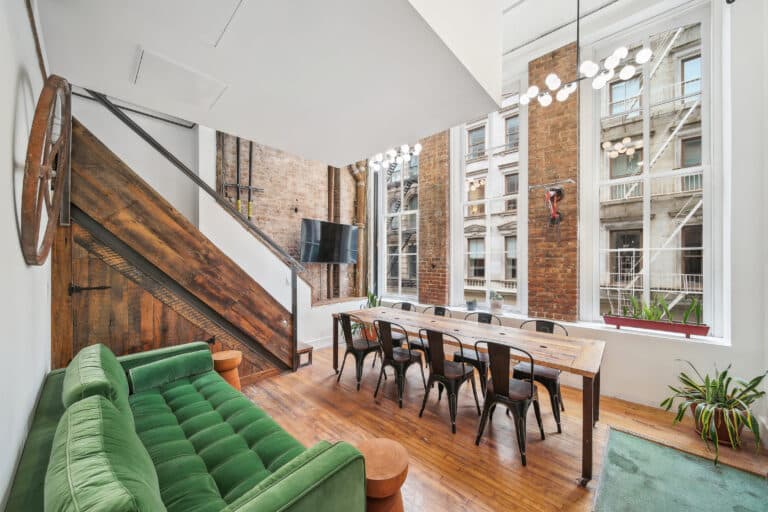
The Farm SoHo takes a different, more rustic approach to design, built around reclaimed century-old barn wood and an interior that feels more like a converted loft than a corporate office. It’s a genuine draw for the SoHo creative crowd, with a lower price point than many of its neighbours, which keeps the membership full of freelancers, early-stage founders, and working artists rather than enterprise satellite teams. If your work involves a lot of client meetings in downtown Manhattan, the location alone does a lot of the heavy lifting.
5. Huckletree, London
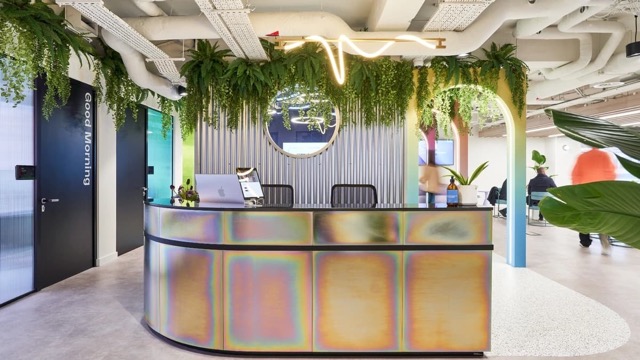
Huckletree has built its identity around community rather than just square footage, and its Shoreditch site in particular has become a genuine hub for London’s creative and technology scene, with regular workshops, talks, and networking events. Its Holborn location serves a similar function for creatives who need to be closer to Soho or the West End agency clusters. Members get access to private offices, dedicated desks, and hot desking across both sites, and the events calendar is often the real reason people show up rather than working from home.
6. The Ministry, London
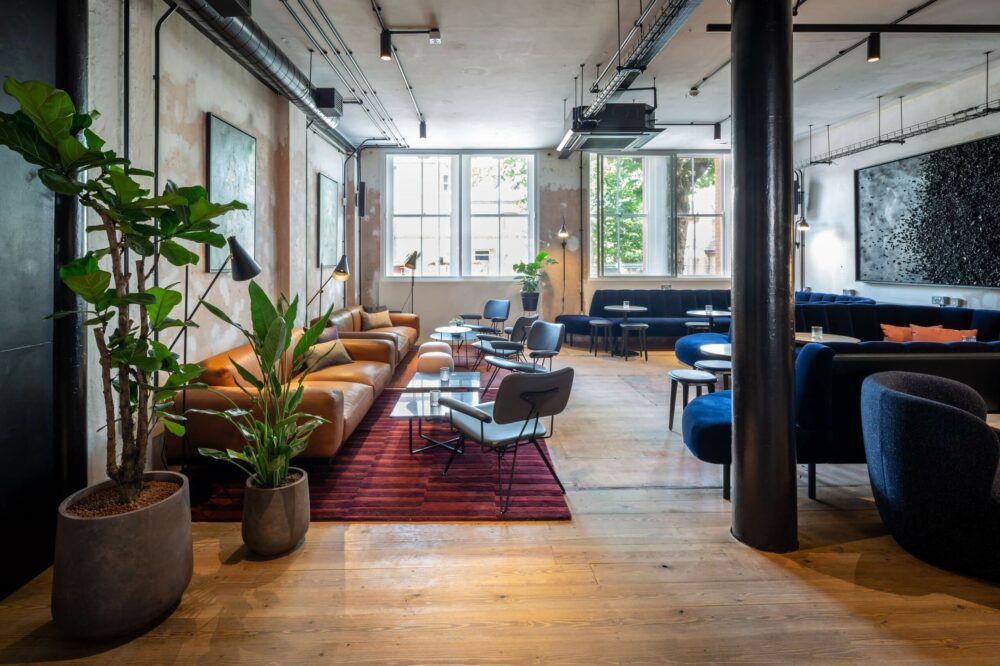
Founded by the team behind Ministry of Sound, The Ministry brings genuine cultural credibility to its Borough Road space, with exceptional sound systems throughout the common areas and a calendar of curated events. It’s close to Borough Market, and the facilities extend well beyond a desk and Wi-Fi, including a yoga studio and shower facilities for anyone commuting by bike. For creatives in music, media, or events, this is a workspace with a genuine point of view rather than a generic amenity checklist.
Finding the Right Fit
The common thread across all six of these spaces is that none of them treat design as an afterthought. Whether it’s Second Home’s biophilic architecture, Fosbury & Sons’ adaptive reuse of historic buildings, or The Work Project’s hospitality-first approach in Singapore, each one understands that creative professionals do their best work in environments that were actually designed with intention. Before committing to a membership, it’s worth visiting in person if you can, since the right atmosphere for a graphic designer might be completely wrong for an illustrator or a video editor. But if you’re tired of choosing between a sterile corporate floor and working from your kitchen table, any of these six are a genuine upgrade.